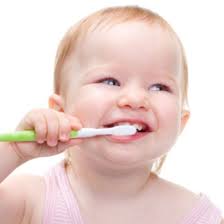
23 April 2018

X-rays in Dentistry

Let’s talk about radiography(x-rays) in dentistry. Why do we need x-rays in dentistry? These tools help the dentist with the diagnosis and treatment planning of the patient’s dental issues.

Uses of dental X-rays:
-to diagnose cavities

-identify the broken or crooked roots of teeth

-view the bone health or periodontal disease around the teeth

-identify the status of developing tooth

-monitoring the oral dentition health

There are several types of x-rays routinely used and categorized into the intraoral and extraoral radiograph. Intraoral x-rays include: Periapical radiograph(PA), bite-wing, occlusal x-rays. The extraoral x-rays are: Panaromic x-rays (Orthopantomagram(OPG), lateral cephalogram) and computed tomography (cone beam CT(CBCT)).

Intraoral Radiography:
  • 1.  Periapical x-rays

 Image result for xrays in dentistry
  • 2.       Bite-wings x-rays
  • Image result for xrays in dentistry


  • 3.       Occlusal x-rays

Image result for x rays in dentistry

Extraoral Radiography:
  • 1.       Panaromic X-rays
  • a)       Orthopantomogram (OPG)

 Image result for xrays in dentistry
  • b)      Lateral cephologram

 Image result for x rays in dentistry
  • 2.       Computed tomography (CBCT)

-produce three-dimensional images of the teeth and jaw bones.

Image result for cbct dental

Concerns of dental x-rays:
Dental x-rays emit a small dose of radiation (0.0005-0.2mSv) and represents a minor contribution to the total exposure of natural and man-made sources. These are used with caution and used only when necessary. 

 Steps taken to reduce the radiation exposure includes:
-wearing of lead shields or apron before getting x-rays

-using better film (F-speed film which is the fastest film can limit the amount of radiation)

-digital radiography (reduces the amount of radiation as much as 80%)

- having regular inspection and licensing (to ensure the X-ray machines are safe and accurate)

-using film holders (prevents exposure to fingers holding the film in the mouth)

Image result for x ray in dental lead apron, film holder Image result for x ray in dental lead apron, film holder

X-rays during pregnancy
Most of the pregnant patients concern about the safety of taking x-rays during pregnancy. American Dental Association (ADA) recommends the use of aprons with thyroid shields for pregnant patients. Studies of pregnant patients receiving dental care have affirmed the safety of dental treatment.

Image result for x ray in pregnant woman dental

X-rays in children
Besides that, many patients are worried if x-rays are safe for their children. The American Academy of Pediatric Dentistry reassures parents that the amount of radiation received during a dental X-ray is extremely small. Nowadays, X-ray equipment lets dentists focus the X-ray beam on the area of interest to reduce radiation exposure. 

Image result for x ray in children dental Image result for x ray in children dental

 In conclusion, dental x-rays have many important uses. The ADA encourages dentists and patients to discuss dental treatment recommendations, including the need for X-rays, to make informed decisions together. If you are concerned about dental x-rays do consult your dentist to seek for further advice.


06 March 2018

UBAT GIGI UNTUK KANAK-KANAK

Memberus gigi adalah antara amalan penjagaan mulut yang sebaiknya dilakukan untuk kebersihan diri. Memberus gigi menggunakan ubat gigi berfluorida setiap hari boleh mencegah gigi daripada berlubang.

Penggunaan ubat gigi berfluorida merupakan salah satu cara untuk melindungi gigi dan mengurangkan kadar kerosakan gigi di serata dunia.

Kanak-kanak yang memberus gigi sekurang-kurangnya sekali sehari dengan ubat gigi yang mengandungi fluorida akan kurang mengalami kerosakan gigi.

Apa itu flourida dan ubat gigi?


Fluorida
 ialah mineral semula jadi yang boleh menguatkan lapisan luar gigi dan membantu mencegah kerosakan gigi. Walau bagaimanapun, penggunaan fluorida yang berlebihan boleh menyebabkan fluorosis enamel iaitu kecacatan pada lapisan luar gigi.


Ubat gigi 

adalah pes atau gel pembersih gigi yang digunakan dengan berus gigi. Ia digunakan untuk membersihkan dan mengekalkan kecantikan dan kesihatan gigi. Ia berfungsi membantu menghilangkan plak gigi dan sisa makanan yang melekat pada permukaan gigi, mengurangkan halitosis (masalah mulut berbau) serta mengandungi mineral aktif seperti  fluorida dan natrium sulfat. Kandungan flourida di dalam ubat gigi adalah berbeza mengikut keperluan. Bagi kanak-kanak, jumlah flourida yang diperlukan adalah 450ppm sehingga 600ppm. Manakala bagi orang dewasa adalah 1000ppm sehingga 1450ppm. 


Penggunaan Ubat Gigi Berfluorida Yang Betul

Memberus gigi dengan menggunakan ubat gigi berfluorida untuk kanak-kanak boleh memastikan gigi anak-anak anda menerima kebaikan fluorida iaitu menguatkan enamel gigi serta mencegah karies.
Kuantiti penggunaan ubat gigi berfluorida yang di cadangkan: 


Untuk kanak-kanak di bawah 2 tahun

Bagi kanak-kanak di bawah umur 2 tahun, ubat gigi mungkin tidak perlu digunakan
ATAU

hanya meletak satu lapisan yang sangat tipis pada permukaan berus gigi 

ATAU

sebesar saiz sebutir beras


Untuk kanak-kanak  3-6 tahun

Gunakan kuantiti kecil ubat gigi berfluorida kanak-kanak sebanyak 0.25 g ke 0.5 g 

ATAU 

sebesar kacang soya / kacang hijau

ATAU 

sepanjang 5mm pada permukaan berus gigi

Peringatan : Kanak-kanak berumur 6 tahun ke bawah hendaklah di bantu semasa memberus gigi dan penggunaan ubat gigi berfluorida mestilah di kawal oleh ibu bapa atau penjaga. Sebahagian ubat gigi mempunyai perisa yang pelbagai, seperti strawberi, pisang dan lemon. Oleh itu, kadang-kala anak kita akan menelan sahaja ubat gigi dan tidak meludah keluar. 
Ajar anak anda untuk tidak menelan ubat gigi sebaliknya meludah sebaik sahaja selepas
memberus gigi.


Untuk kanak-kanak  6 tahun ke atas 

Pada usia ini, kanak-kanak sudah dibenarkan untuk 
menggunakan ubat gigi dewasa (1000ppm flourida). Kuantiti 
yang diperlukan adalah sedikit sahaja, iaitu  sebesar kacang 
soya/kacang hijau atau separuh daripada kepala berus gigi khas 
untuk knak-kanak. 

Paling penting, jangan biarkan anak anda menelan ubat gigi.  Ibu 
bapa boleh merujuk kepada doktor gigi tentang ubat gigi yang 
sesuai untuk anak anda. 

Setiap kanak-kanak mungkin mempunyai keperluan yang berbeza, bergantung 
kepada tahap kerosakan gigi anak anda di dalam mulut. 


Perkara yang BOLEH dan TIDAK BOLEH dalam penggunaan ubat gigi untuk kanak-kanak

Boleh
   1) Gunakan secalit sahaja ubat gigi kanak-kanak untuk yang kecil di bawah umur 2  
      tahun  ( Ubat gigi kanak-kanak mengandungi fluorida sebanyak 600ppm atau 
     kurang )
     2) Berus dua kali sehari (pada waktu pagi dan malam sebelum tidur)
3) Penting memberus di waktu malam sebelum tidur


Tidak Boleh

1) Jangan mencadangkan ubat gigi yang mengandungi lebih fluorida dari 600ppm untuk 
                 
     kanak-kanak berumur 6 tahun ke bawah melainkan di nilai kadar kariesnya tinggi.

 2) Jangan berkumur selepas memberus gigi (digalakkan berludah sahaja )

Untuk kanak-kanak yang di nilai kadar kariesnya tinggi, walaupun ia berumur enam tahun ke bawah, ia di nasihatkan menggunakan ubat gigi berfluorida mengandungi lebih daripada 1000ppm fluorida ataupun ubat gigi dewasa.


Kesan Pengambilan Fluorida Berlebihan

Pengambilan fluorida berlebihan oleh kanak-kanak sering kali terjadi bila mereka menelan ubat gigi berfluorida semasa memberus gigi. Sesetengah kanak-kanak suka dengan rasa ubat gigi yang berperisa. Ini menyebabkan mereka menelan ubat gigi tersebut.
Dalam keadaan lain, sesetengah kanak-kanak diberi fluorida tambahan secara berlebihan. Terdapat juga yang diberi fluorida tambahan sedangkan bekalan air paip sudah pun mengandungi fluorida yang mencukupi.
Pengambilan fluorida yang berlebihan semasa proses pembentukan gigi boleh menyebabkan kecacatan gigi. Kesannya, lapisan luar gigi (enamel) yang putih dan licin menjadi lubang-lubang kecil berwarna coklat/kekuningan/putih susu. Warna ini kelihatan jelas pada permukaan gigi hadapan. Keadaan ini dipanggil ‘FLUOROSIS’

Gigi hadapan sangat penting untuk penampilan dan senyuman menarik. Sudah tentu kecacatan gigi tersebut boleh menjejaskan keterampilan diri. 


15 February 2018

What is Dental Porcelain Veneer


We all want white and sparkly teeth. Sadly, not all of us are blessed with good genes.
The truth is that not all of those pearly whites of celebrities on TV are God-given. In most cases, these were created by a skilled dentist. 

Veneer is wafer-thin shell of porcelain that are tooth colored and stick to the front tooth. Before you choose to undergo the procedure, it’s essential that you understand the pros and cons of dental veneers so that you can make the best choice for your smile. Once in place, they hide stains, discolorations, and any flaws that may comprise the look of your smile.

Patients who are considering porcelain veneers are typically looking to address multiple structural or cosmetic issues with their teeth, such as:
~Chips
~Cracks
~Gaps between teeth
~Minor misalignment
~Discoloration


In order to have porcelain veneers placed, patients should:
~Have good periodontal and overall oral health
~Be committed to proper oral care and hygiene
~Have specific cosmetic goals, which they can articulate to their dentists at their initial consultations, as well as realistic expectations
~Have a sufficient amount of healthy enamel, as dentists usually remove a thin layer of enamel before placing veneers  


PROs:
1. Veneers are stain resistant and last for years at a time.
It won’t change color if you regularly drink coffee or red wine.
2. Veneer look more lifelike than similar enhancements . Dental bonding can correct similar flaws, but the material is opaque, meaning it does not reflect light the way porcelain does. 
3. Veneers are stronger than composite resin.


CONs:
1. Patients with conditions such as tooth decay, gum disease, and root canal infection in active phase typically do not qualify for veneers.
2. Some patients who habitually grind their teeth and clench their jaw may be disqualified from receiving veneers. 
The forces of bruxism can put incredible strain on veneers, causing them to break or come off entirely.

3. Sensitivity: In order to install the veneers, a thin layer of enamel has to be removed from your teeth. That can cause the teeth to become more sensitive to extreme temperatures.


Alternatives to porcelain veneers:
If you or your dentist decides that porcelain veneers are not the right treatment for you for any reason, there are several other options that can rejuvenate and restore radiance to your smile.
  1. Direct bonding
  2. Teeth whitening
  3. Dental crowns
  4. Orthodontic/BracesRisks

Meet your dentist and discuss with them. 

You are deserved a beautiful smile.


10 January 2018

The story of Dry Socket

"Ouch ouch ouch! My mouth hurt!" cries Mr T to his wife. "I thought you just had your tooth extracted 3 days ago? Why does it still hurt?" asked his wife. Have you ever encounter this painful condition despite removal of the cranky tooth? Worst still the pain intensifies a hundred fold?

Image result for dry socket

This infamous condition is known as dry socket. Usually after tooth extraction a blood clot forms to protect the underlying bone and nerve endings in the empty tooth socket. The clot serves as a foundation for the growth of new bone and aids in the healing of the tissues and wound. When the clot dislodges from the extraction site, or dissolves or even fail to develop before the wound heal,excruciating pain results. Sometimes, this pain radiates to sides of the face.

Image result for dry socketImage result for dry socket
Dry socket


"Hi Doc, I'm having terrible pain at the extracted tooth area since 3 days ago. I think the site has swollen and there's bad breath too. I can't eat and sleep well for the past few days." explained Mr T to his dentist. " I think you are having Dry Socket" said the dentist after inspecting the site of extraction.

Image result for dry socket

Signs & Symptoms of Dry socket:
  • Severe pain beginning 1-3 days after a tooth extraction
  • Empty-looking (dry) socket as no blood clot noted
  • Visible bone in the tooth socket
  • Pain that radiates from the socket to the same side of face as the extraction
  • Foul odour /Bad breath

Image result for dry socket
Empty looking socket with bone exposed

Risks of dry socket:
  • Smokers
  • Failure to excercise proper at-home care
  • Poor oral hygiene
  • History of dry socket in previous extraction
  • Current or previous tooth or gum infection

Treatment of dry socket:
  • Dental care: Debridement of the extraction socket, painkillers, oral mouthwash and antibiotics(for immune-compromised patients) prescribed by the dentist
  • Soft diet- no solid food
  • Proper oral care- still need to brush the teeth around the dry socket area
  • Stop tobacco use for at least 48 hours after extraction

Image result for dry socket
Debridement of the dry socket removing food debris

Image result for dry socket 
 
In conclusion, to prevent dry socket do seek advice from the dentists or oral surgeon before any tooth extraction. Other tips to prevent this painful condition is to avoid forceful rinsing and spitting, or drinking through a straw after tooth extraction. Prevention is better than cure.